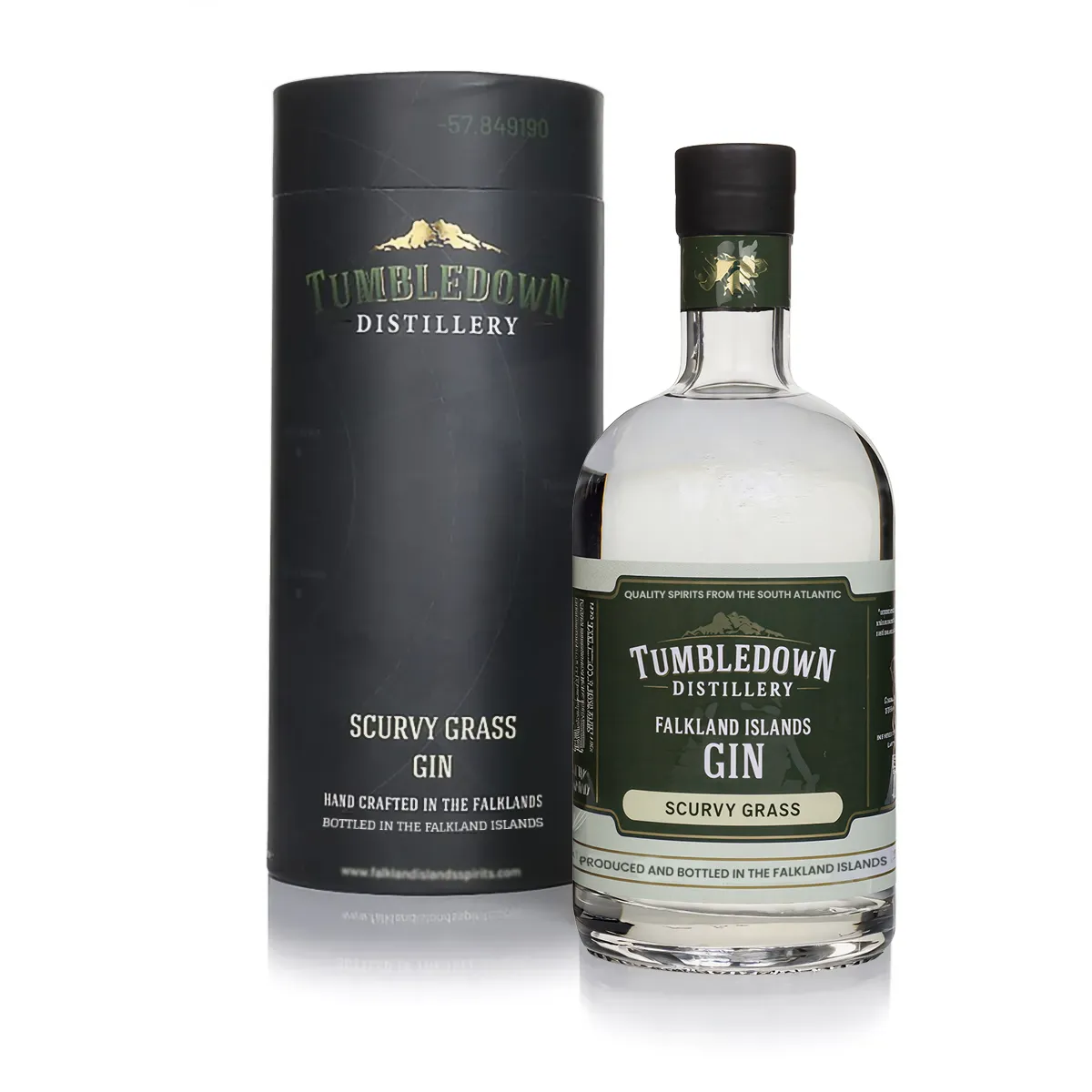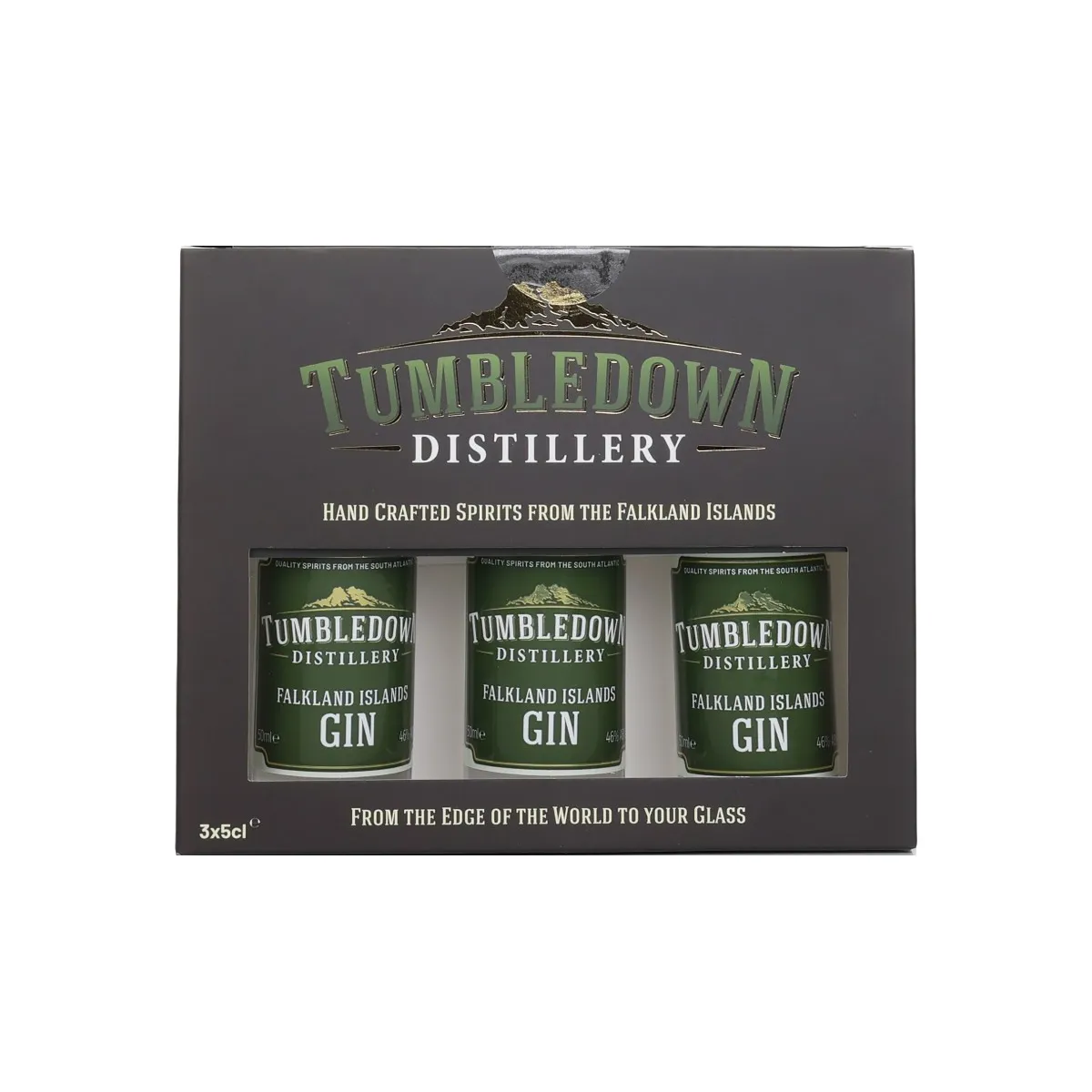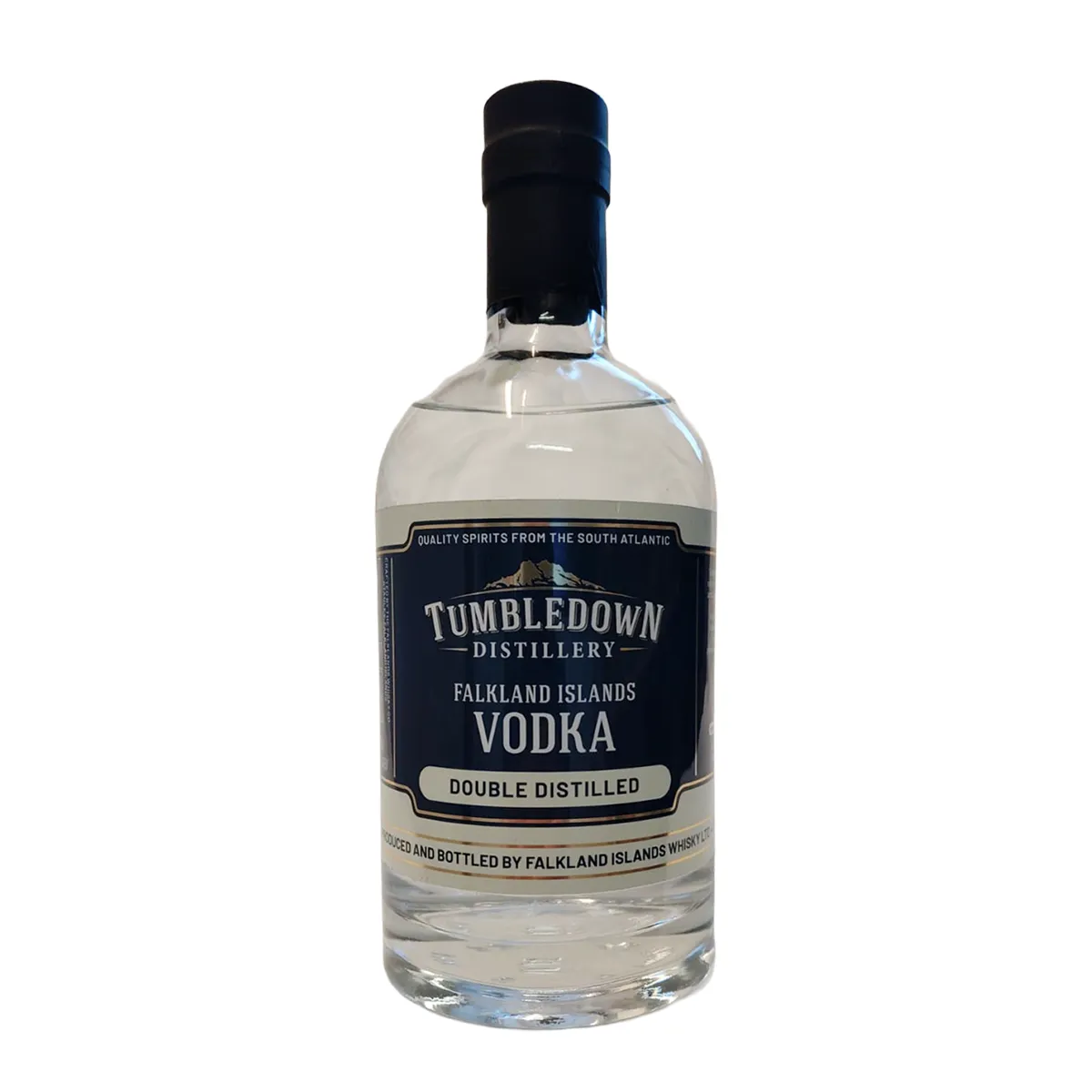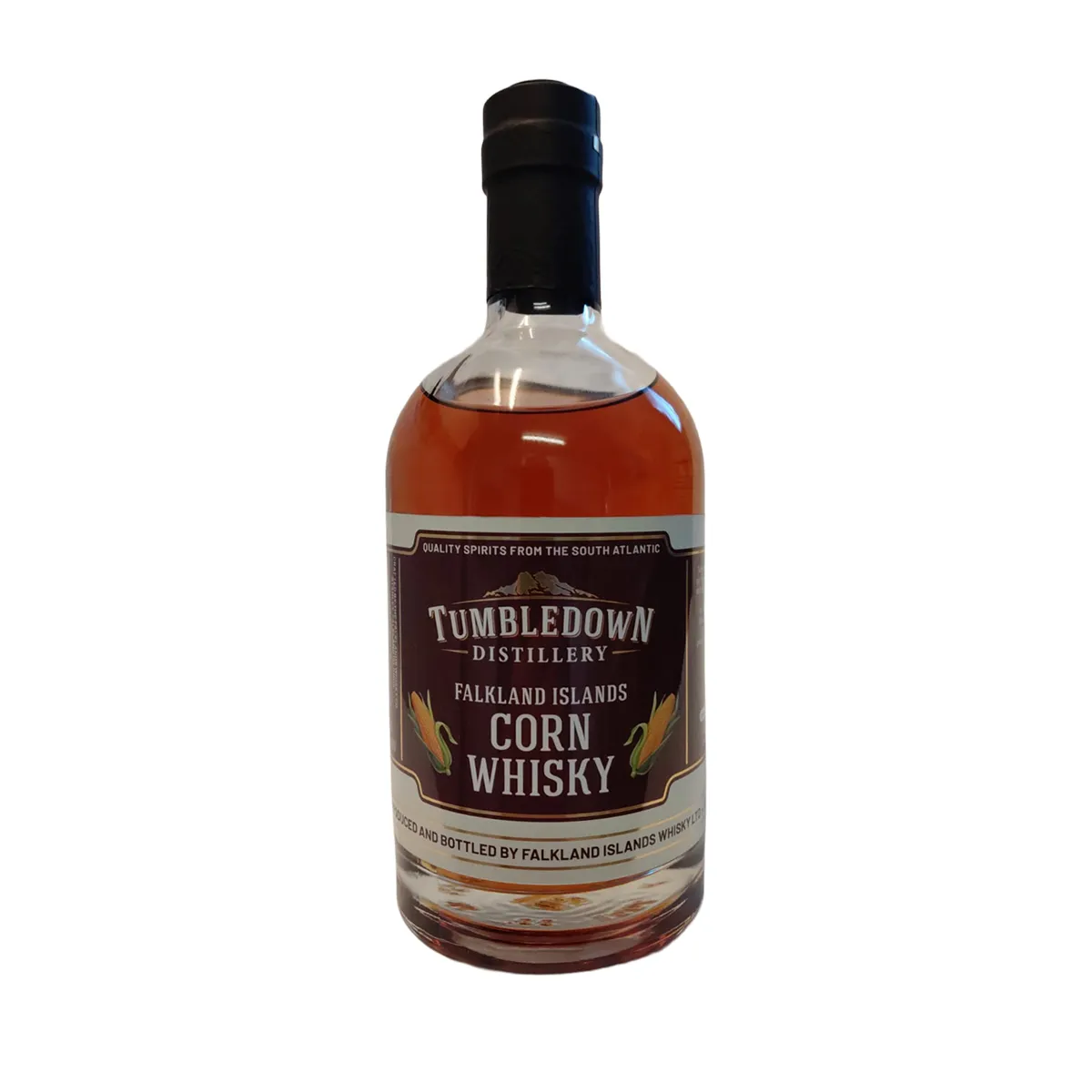
There are definitely easier places in the world to start a distillery than the Falkland Islands.
Many places provide stronger supply chains, better weather, larger markets and fewer logistical headaches. But then, easier was never really the point.
Set against one of the most remote landscapes on Earth, Tumbledown Gin (the most Southerly distillery in the world) was created not in pursuit of mass production, but from a fascination with place, flavour, and the idea that a spirit should genuinely reflect its origins.
The Falklands have a character all of their own. Vast skies. Fierce biting winds. Open coastline. A sense of distance from the rest of the world that visitors notice almost immediately. It is this landscape; raw, elemental and unmistakably South Atlantic, that quietly informs every bottle.
“We wanted to create something that genuinely belonged here,” says founder Taff Davies. “Not just a gin with a Falklands label on it, but something that reflected the islands themselves.”
At the heart of the gin is one ingredient in particular: scurvy grass.
The name alone tends to stop people in their tracks. Historically used by sailors because of its high vitamin C content, scurvy grass grows wild along harsh northern coastlines and thrives in exposed maritime conditions. In the Falklands, where the weather can shift dramatically in a single afternoon, it survives where many other plants would struggle. And surprisingly, it works beautifully in gin.
Rather than tasting medicinal or overly herbal, scurvy grass brings a distinctive peppery warmth and savoury freshness that gives its unmistakable identity. Some detect hints of mustard or wasabi on the finish, balanced against bright citrus and the clean pine character of juniper.
“It gives the gin its attitude.” said John Hellowell, Director. “Without it, it would still be a good gin. With it, it becomes distinctly ours.”
Production remains deliberately – and by necessity – small-scale. Every batch is carefully distilled with an emphasis on consistency, quality and character rather than volume. That approach may not be the fastest route to expansion, but it preserves something increasingly rare in modern spirits production: authenticity.
There is no attempt to imitate London dry gin trends or chase fashionable flavours. Instead, the focus remains on creating a spirit that feels connected to its environment, something shaped as much by the Falklands themselves as by the stills and botanicals involved in making it.
Even the isolation plays its part. On the Falkland Islands, almost everything requires patience. Supplies arrive when weather and transport allow. Conditions are unpredictable. Distilling here demands flexibility and resilience. Yet those same challenges also help define the spirit behind the brand.
The result is a gin that feels less manufactured and more discovered.
Not a product of marketing trends or laboratory flavour profiling, but of landscape, experimentation and a genuine affection for the islands in which it was created. Perhaps that’s why it resonates with people far beyond the Falklands themselves.
In a world increasingly dominated by mass production and carefully engineered branding, there is something refreshing about a spirit with real edges, real stories and a genuine sense of place. A gin from the edge of the world, every bottle is imbued with vibrant Falklands individuality.